
Ride On Road Roller Training - Get Trained, Tested & Ready to Operate a Ride On Roller.
Need Road Roller Training for yourself or your team?
Choose practical NPORS N214 novice training, an Experienced Worker Test or refresher training to update existing skills.
Train at our Tewkesbury centre or arrange nationwide on-site training for your workforce using suitable company machinery.
Training for Your Team: On suitable customer sites throughout the UK.
Booking for Yourself or Your Team?: At our Tewkesbury centre in Gloucestershire.
Call 01684 297167.
Enquire About Road Roller Training.
Ride On Roller Training & Road Roller Operator Course
Need a Ride On Road Roller ticket for work, looking to get trained on a roller for the first time, or already operating rollers and need recognised NPORS certification?
Vally Plant Training provides practical NPORS N214 Ride On Road Roller Training for individuals, experienced operators and businesses throughout the UK.
Individuals can complete their road roller training at our dedicated plant training centre in Tewkesbury, Gloucestershire, with novice training, Experienced Worker Tests and refresher training available.
If you're an employer with several operators to train, we can also deliver Ride On Road Roller Training at your own site nationwide, using your suitable machine and working environment.
Our training goes beyond simply driving the machine backwards and forwards.
Operators learn how to inspect and control a ride-on roller safely, understand compaction techniques, rolling patterns, vibration, gradients, cambers, ground conditions, machine stability and working near excavations, while developing the practical skills needed for real construction and highways work.
Ride-On Road Roller Training at a Glance
- Course: NPORS N214 Ride-On Road Roller
- Novice: 3 Days • Maximum 3 Candidates
- Experienced: 2–3 Hours per Candidate • Test Only
- Refresher: Available
- EWT Price: From £280 + VAT
- Novice Price: From £895 + VAT
- Centre: Tewkesbury, Gloucestershire
- Companies: Suitable Customer Sites Nationwide
Novice Ride On Road Roller Training
Our 3-day novice roller course is designed for operators with little or no previous experience.
With a maximum of 3 candidates, the course gives operators time to develop practical machine-control and compaction skills rather than simply preparing them to pass an assessment.
NPORS Ride On Road Roller Experienced Worker Test
Already an experienced road roller operator?
The NPORS N214 Experienced Worker Test - EWT - is a 1-day assessment route for competent operators who already have sufficient practical experience and underpinning knowledge.
Up to 6 experienced candidates can be assessed during the day.
An EWT is not a shortened novice course.
Candidates need genuine previous operating experience and will be profiled before assessment.
Ride On Road Roller Refresher Training
Refresher training is available for existing operators who have previously been trained but need to update their knowledge or practical skills.
Tell Us About Your Roller Experience
First time on a roller, already operating one at work or returning after time away?
Tell us about your experience and we'll help identify whether novice training, an Experienced Worker Test or refresher training is the right route.
NOVICE • EXPERIENCED WORKER TEST • REFRESHER • NPORS N214
What Is Ride On Road Roller Training?
Ride On Road Roller Training teaches operators how to safely operate self-propelled compaction rollers used across construction, highways, road building, groundworks, utilities and civil engineering.
Rollers may look relatively straightforward to operate, but effective roller operation requires much more than steering the machine.
The operator needs to understand the machine, the material being compacted, site conditions and the effect that operating technique has on both safety and the finished work.
Training combines underpinning knowledge with practical operation so candidates learn how to use the machine safely and effectively.
What Will I Learn on the NPORS N214 Roller Course?
Train with confidence
Practical skills for safe, competent operators
Choose the right machine category and route for your experience. Our team can discuss novice training, Experienced Worker Tests, refreshers and workplace delivery.
Depending on the candidate's experience and training route, course content can include:
- Operator responsibilities
- Manufacturer's operator manual
- Machine components
- Pre-use inspections
- Defect reporting
- Control familiarisation
- Safety and warning systems
- Correct mounting and dismounting
- Safe starting procedures
- Forward and reverse travel
- Steering and manoeuvring
- Operator visibility
- Compaction principles
- Correct rolling patterns
- Overlapping passes
- Vibratory systems
- Selecting suitable vibration settings
- Rolling speed
- Working on cambers and crossfalls
- Operating on gradients
- Machine stability
- Working near excavations and edges
- Working around pedestrians and other plant
- Parking and securing the machine
- Safe shutdown procedures
The aim is to produce an operator who understands both how to control the roller and how their actions affect safety and compaction quality.
Why Correct Compaction Matters
A road roller is there to do a specific job: compact material to the required standard.
Compaction reduces air voids and increases the density of the material being worked.
Done correctly, it contributes to a stable and durable finished surface or formation.
Poor compaction can contribute to problems such as settlement, rutting, movement and premature surface failure.
Roller operators therefore need to understand that simply making more passes does not automatically produce better results.
Factors affecting compaction can include:
- Material type
- Material depth
- Moisture content
- Roller type and weight
- Vibration settings
- Rolling speed
- Number of passes
- Overlap between passes
- Ground conditions
- Site specification
A competent operator works to the required method and specification rather than relying on guesswork.
Static and Vibratory Roller Operation
Ride-on rollers may compact using the deadweight of the machine, vibration or a combination of both.
Vibration can significantly increase the compaction effect of the drum, but it needs to be used appropriately.
Operators need to understand when vibration should be engaged and when conditions may make vibration unsuitable.
This becomes particularly important around:
- Existing structures
- Services
- Trenches
- Retaining structures
- Sensitive ground
- Nearby buildings
- Other areas where vibration could introduce additional risk
Rolling Patterns and Overlapping Passes
Good roller operation is methodical.
Operators normally need to follow an appropriate rolling pattern and maintain consistent overlap rather than moving randomly across the work area.
The correct approach helps provide even coverage and reduces the chance of leaving poorly compacted areas.
The operator also needs to maintain an appropriate speed.
Travelling faster does not necessarily mean the work gets completed more effectively.
Working on Slopes, Gradients and Crossfalls
Operating a heavy roller on a gradient requires careful judgement.
Machine stability can be affected by:
- Gradient
- Crossfall
- Ground condition
- Surface material
- Speed
- Steering
- Sudden changes of direction
- Manufacturer limitations
Operators should understand the manufacturer's operating limits and the correct method for the particular machine.
A route that appears convenient is not automatically a safe route for the roller.
Working Near Trenches and Excavations
Roller operation near an excavation requires particular care.
The weight and vibration produced by a compaction roller can place additional loading on the surrounding ground.
Operators need to maintain appropriate separation from:
- Trenches
- Excavations
- Unsupported edges
- Voids
- Backfilled areas
- Unstable ground
Site-specific risk assessments and safe systems of work should determine where the machine can safely operate.
Reversing a Ride On Road Roller
Road rollers frequently change direction as part of normal compaction work.
That makes reversing safety and visibility particularly important.
Before changing direction, operators need to establish that the travel path is clear and remain aware of pedestrians, other plant, site vehicles and fixed obstructions.
Where visibility is restricted, suitable site controls may be necessary.
The operator should never assume that somebody behind the machine will simply move out of the way.
Daily Roller Inspections and Defect Reporting
A competent roller operator should carry out the required pre-use checks before operating the machine.
Checks can include:
- Tyres or drums
- Fluid levels
- Leaks
- Steering
- Brakes
- Seat and restraint
- Mirrors
- Cameras where fitted
- Warning devices
- Lights
- ROPS
- Controls
- Vibration system
- Scrapers and water systems where fitted
- General machine condition
Defects should be reported through the employer's established procedure.
Where a defect could affect safe operation, the machine should not simply continue working because production needs to carry on.
PUWER and Employer Responsibilities
The Provision and Use of Work Equipment Regulations 1998 - PUWER - place duties on employers regarding work equipment.
Employers need to ensure equipment is suitable for its intended use and that people using work equipment have received adequate information, instruction and training.
For ride-on roller operations, employers should consider matters including:
- Machine suitability
- Operator competence
- Training
- Maintenance
- Inspections
- Site conditions
- Safe systems of work
- Risk assessment
- Pedestrian segregation
- Appropriate supervision
An NPORS card provides evidence of operator training and assessment, but it does not remove the employer's wider responsibilities for safe plant operation.
Vibration and Ride On Road Roller Operators
Road rollers are designed to create vibration, making vibration exposure particularly relevant to operators and employers.
The Control of Vibration at Work Regulations 2005 require employers to assess and control risks from vibration where employees may be exposed.
For roller operators, whole-body vibration can be influenced by factors including machine condition, seat adjustment, surface condition, operating speed and the amount of time spent operating.
Good operating technique and suitable equipment form part of managing that exposure.
Different Types of Road Roller
Ride-on compaction equipment comes in several forms.
Twin Drum Roller
Twin drum rollers are widely used for asphalt, road construction, surfacing and finished areas.
Single Drum Roller
Single drum rollers are commonly used for soil, stone, aggregate and bulk earthworks.
Combination Roller
Combination machines may use a steel drum together with pneumatic tyres and are commonly associated with road and asphalt work.
Pneumatic Tyred Roller
Pneumatic rollers use multiple rubber tyres to compact and knead material and are used in various road-building and surfacing applications.
Different machines can have different controls, characteristics and limitations.
Operators should always be familiarised with the particular machine they are expected to use.
Is a Pedestrian Roller Covered by N214?
Do not automatically assume that experience or certification for one type of roller covers every compaction machine.
Pedestrian-operated rollers and ride-on rollers have different operating characteristics and training requirements.
If you're unsure whether your machine falls within NPORS N214 Ride On Road Roller, send us details of the equipment before booking and we'll help establish the appropriate training category.
NPORS Ride On Road Roller Assessment
Candidates complete the appropriate NPORS theory and practical assessment.
Assessment can include:
- Pre-use inspection
- Operator knowledge
- Machine controls
- Safe manoeuvring
- Forward and reverse travel
- Compaction techniques
- Working on gradients
- Hazard awareness
- Machine stability
- Safe positioning
- Parking and shutdown
Successful candidates who meet the required standard receive certification for the appropriate NPORS route.
NPORS N214 Certification
Successful candidates can receive the relevant NPORS Ride On Road Roller N214 Operator Card, subject to the registration route being followed.
Where current NPORS requirements are met, candidates working in construction may also be able to follow the NPORS CSCS-logoed card route.
In-House Ride On Road Roller Training
Not every workplace requires an NPORS Operator Card.
Vally Plant Training can also provide in-house Ride On Road Roller training and certification where this is appropriate for the employer's requirements.
In-house training can provide documented evidence of operator instruction, training and assessment for employees using company equipment.
An in-house certificate is not the same as an NPORS Operator Card.
Acceptance depends on the employer, site, client, principal contractor and insurer, so requirements should be checked before choosing this route.
Ride On Road Roller Training Prices
Our published Tewkesbury training-centre prices currently include: NPORS Experienced Worker Test - From £280 + VAT per person NPORS Registration/Card Fee - £45 + VAT per person where applicable NPORS Novice Course - From £895 + VAT Discounts may be available for multiple candidates or companies booking more than one plant category.
On-site training is quoted separately because the cost depends on the location, number of candidates, number of training days and overall requirement.
Nationwide On-Site Road Roller Training
For businesses with several operators to train, on-site Ride On Road Roller Training can be a very cost-effective option.
Instead of sending several employees away individually, we can travel to your workplace and deliver training using your suitable roller and operating area.
Customer-site training is particularly suitable for:
- Groundworks contractors
- Highway contractors
- Surfacing companies
- Civil engineering businesses
- Utilities contractors
- House builders
- Infrastructure contractors
- Local authorities
- Plant hire companies
- Construction companies
Several Roller Operators to Train? We Can Come to You
Vally Plant Training delivers Ride On Road Roller Training at suitable customer sites throughout the UK.
Train several operators together using the machinery they work with while reducing unnecessary workforce travel and downtime.
NATIONWIDE DELIVERY • GROUP BOOKINGS • NPORS N214 • IN-HOUSE TRAINING • MULTI-COURSE DISCOUNTS
On-Site Ride On Road Roller Training Requirements
For training at your workplace, suitable machinery and facilities need to be available.
Requirements can include:
- Suitable Ride On Road Roller
- Current manufacturer's operator manual
- Safe practical operating area
- Suitable compaction area/material
- Risk assessment
- Method statement
- Daily machine inspection
- Appropriate PPE
- Candidate photo identification
- Welfare facilities
- Safe separation from unrelated plant and pedestrians
A current manufacturer's operator manual must be available for the machine used during training or assessment.
Before arranging customer-site training, please read our On-Site Plant Training Requirements and download the preparation checklist.
Ride On Road Roller Training at Our Tewkesbury Centre
Individuals and businesses can also attend our dedicated plant training centre at Newton Farm Business Park, Ashchurch, Tewkesbury, Gloucestershire.
Centre training is particularly useful if:
- You're booking as an individual
- Your employer doesn't own a suitable roller
- Your site isn't suitable for training
- Only one or two operators require training
- You want a straightforward published centre price
We're conveniently located close to Junction 9 of the M5 with parking available.
CITB Funding for Ride On Road Roller Training
Vally Plant Training is a CITB Training Provider Network Member.
Eligible CITB-registered employers may be able to access funding towards qualifying Ride On Road Roller Training, subject to current CITB eligibility and funding rules.
If your company is CITB registered, tell us when requesting your quotation.
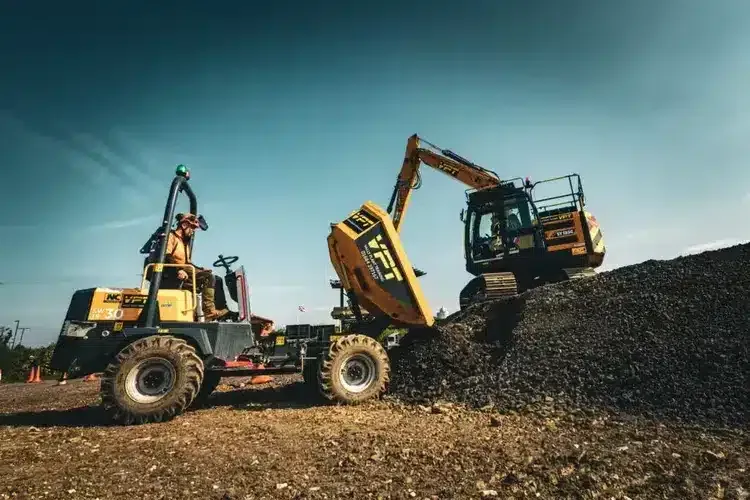
Ride On Road Roller and Dumper Training
Road rollers and dumpers are commonly used alongside one another on groundworks and civil engineering projects, but they perform completely different jobs.
A Forward Tipping Dumper transports material around the site.
A Ride On Road Roller compacts material after it has been placed.
Operators who work across groundworks, utilities and civil engineering may therefore benefit from holding both categories.
Career Progression for Roller Operators
Ride On Road Roller operators frequently work across several items of construction plant rather than operating only rollers.
Useful additional categories can include:
- Forward Tipping Dumper
- 360 Excavator
- Telehandler
- Loading Shovel
- Plant Mover
- Plant Banksman
Why Choose Vally Plant Training?
Vally Plant Training is a family-run plant training provider established in 2014.
We are an NPORS Approved Training Provider and CITB Training Provider Network Member, delivering plant operator training at our dedicated Tewkesbury centre and suitable customer workplaces throughout the UK.
We are a direct training provider rather than a course-booking broker.
That means you can speak directly to us about the operator, machine and work involved before booking.
Whether you're an individual looking for your first road roller ticket, an experienced operator needing an NPORS test or a company with several employees to train, we'll help identify the most appropriate route.
Related Plant Training
NPORS 360 Excavator Training - novice, experienced and refresher training for 360 excavator operators.
Plant Banksman Training - for personnel involved in directing plant movements and managing vehicle and plant interfaces.
Ride On Road Roller & Plant Safety Guides
Practical guidance for plant operators, employers and construction teams working with mobile plant.
Get Your Roller Training Sorted
Whether you're starting from scratch, already operating rollers or arranging training for your workforce, tell us what you need.
We'll help you choose the right training route and arrange your course at our Tewkesbury centre or suitable customer site anywhere in the UK.
NPORS N214 • NOVICE • EXPERIENCED WORKER TEST • REFRESHER • TEWKESBURY • NATIONWIDE Request Ride On Road Roller Training